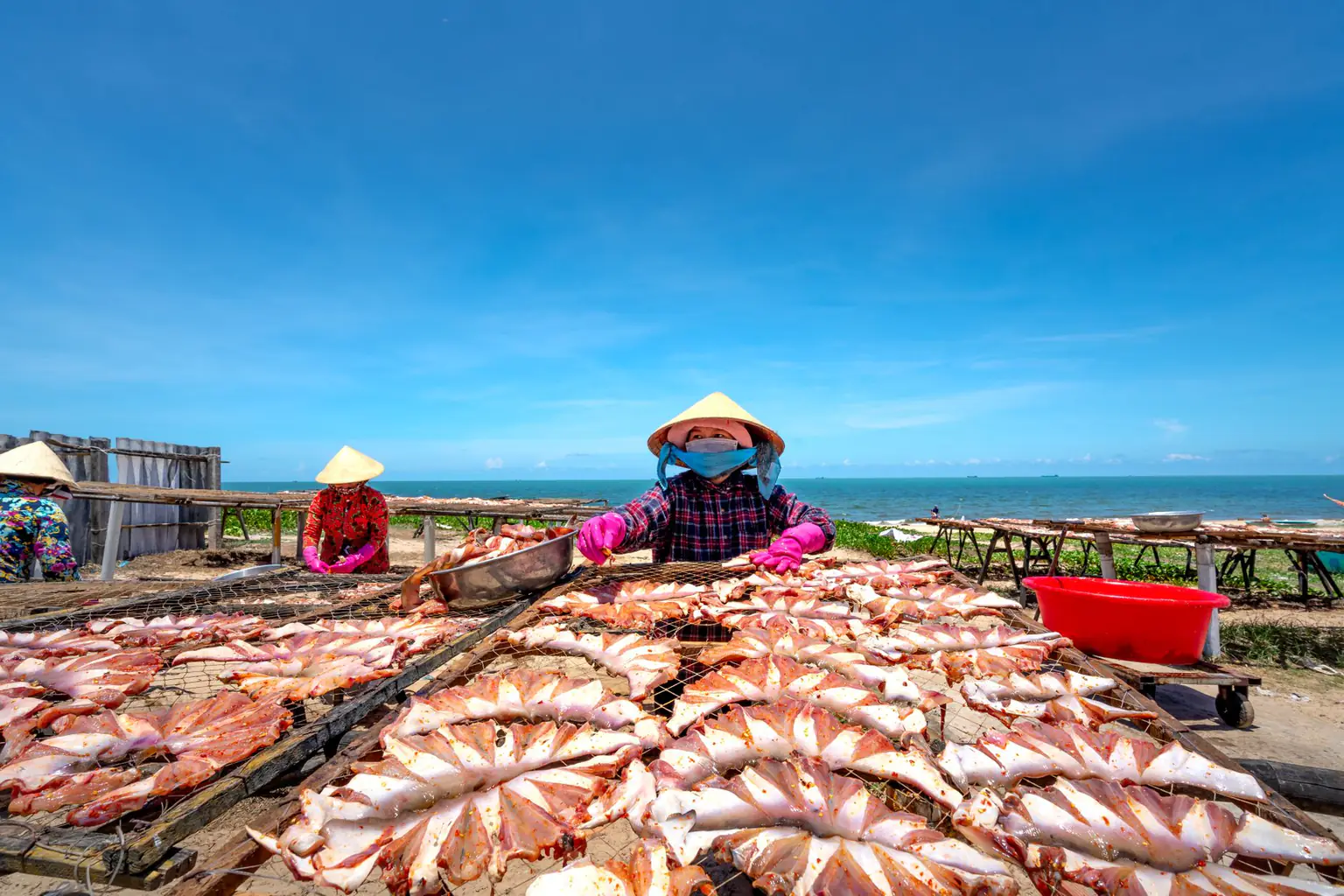
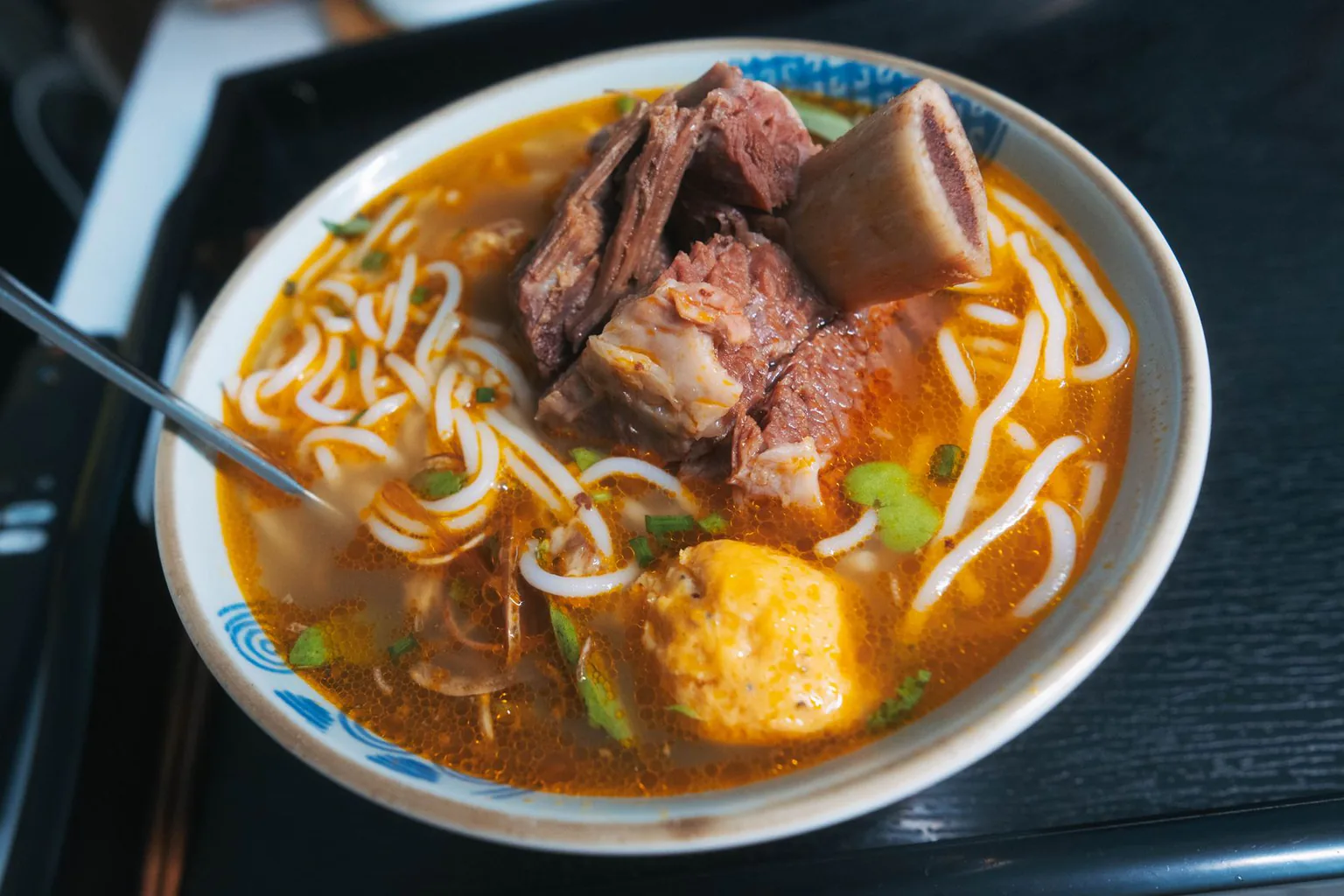
Estimating the Cost of a Seafood Meal in Da Nang Before You Order
The board at a Da Nang seafood tank gives live raw prices per kilogram, which move with the species, the size and how much stock arrives that day. The bill also adds cooking fees for sauced dishes, sides and drinks, so ask about each before staff net your seafood.
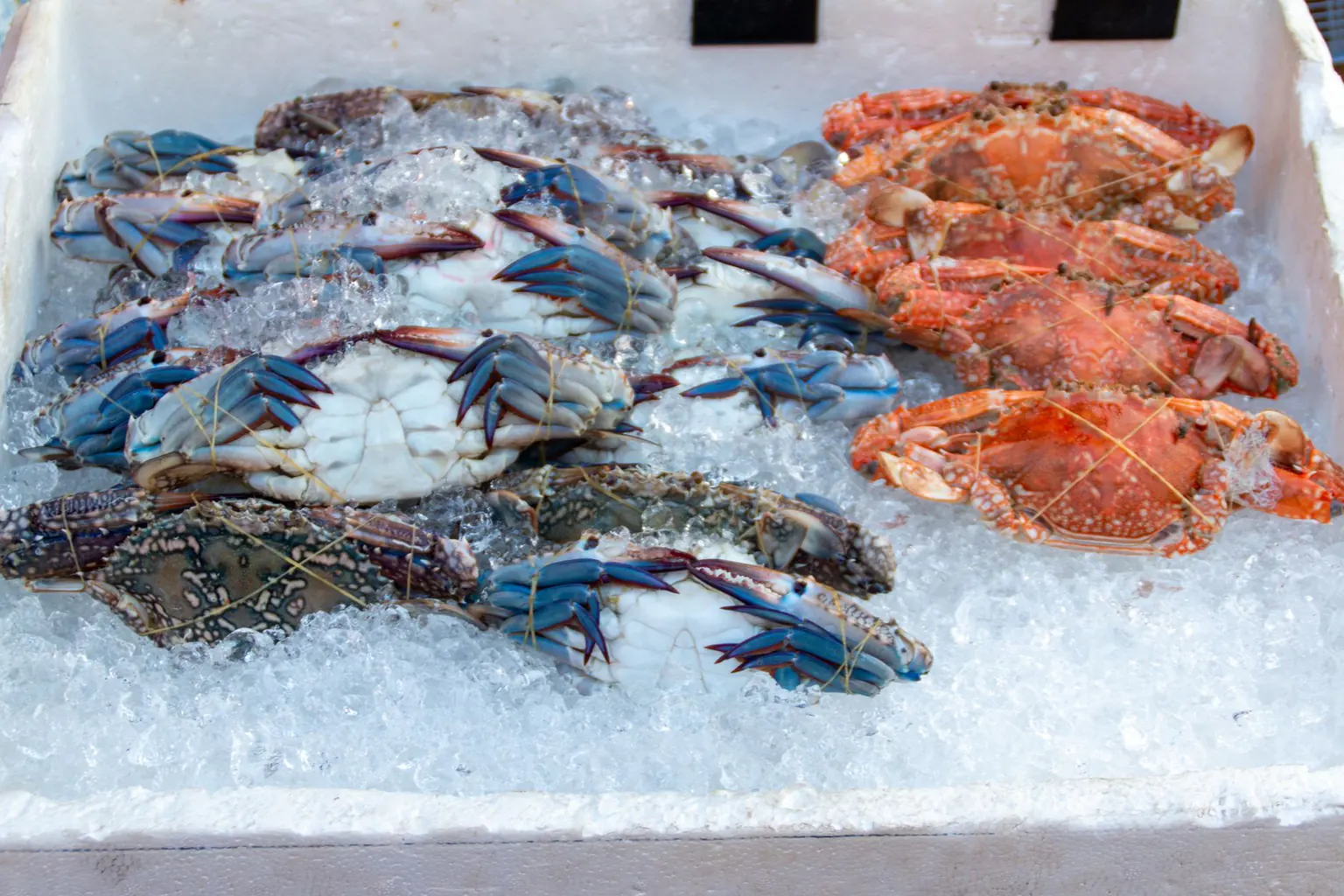
Table of Contents (5 sections)
What the number on the tank board means
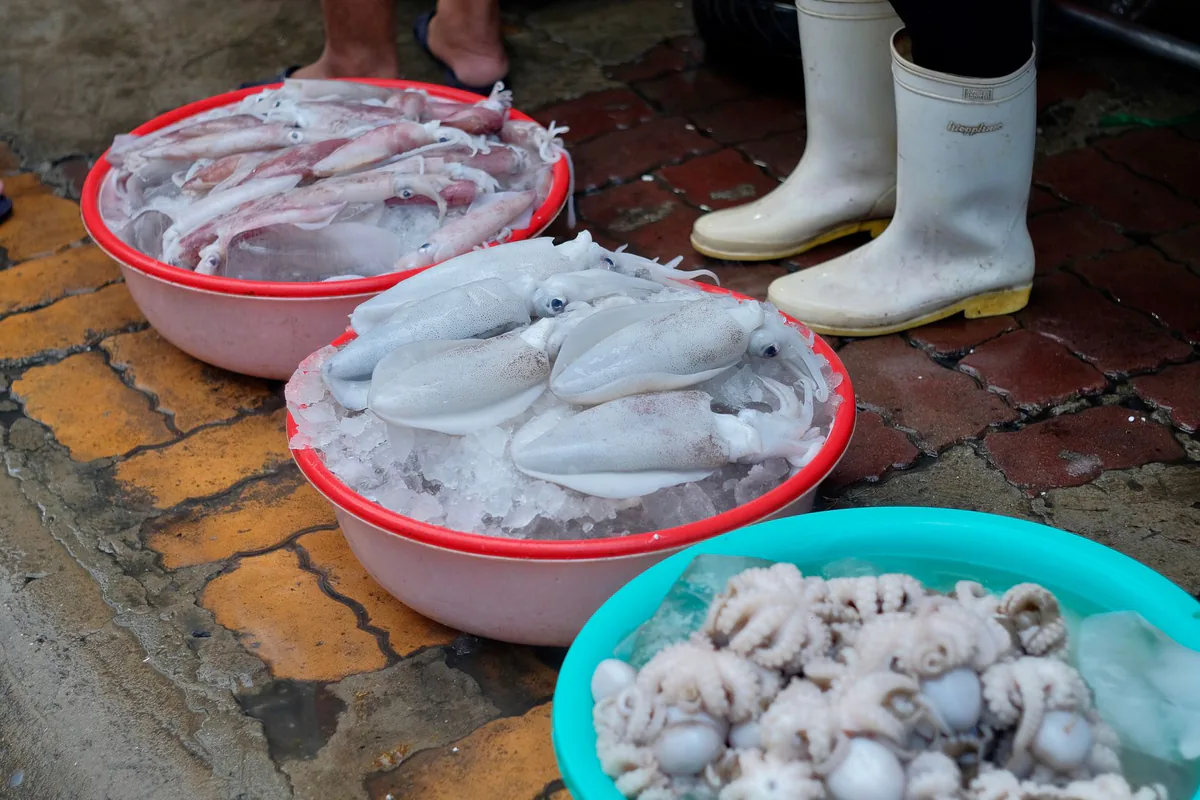
At seafood restaurants with live tanks along Vo Nguyen Giap, Hoang Sa or the Nguyen Tat Thanh embankment, the price board by the tank is the price of live raw ingredients, per kilogram. Some other dishes, such as squid, chip chip clams and oysters, are charged by the plate or the pot on the menu. Before comparing two restaurants, check whether the dish is charged by the kilogram or by the portion.
- Blue swimming crab, mantis shrimp, black tiger prawn and spotted babylon snail are graded by size, meaning pieces per kilogram. The bigger the piece, the higher the price per kilogram. Every restaurant uses “grade 1” or “large” in its own way, so ask directly how many pieces make a kilogram.
- Crabs are weighed whole at the tank. Look at the tying string before it goes on the scale, because the string is weighed too.
- Grouper is sold whole by weight, so one large fish can push the total up faster than you expect. Ask staff to weigh it and tell you the amount before cooking. Many restaurants can make two dishes from one fish, for example steamed body and a bony head cooked in congee; ask when you order.
- Local sea fish such as bigeye and rabbitfish are usually easier on the budget than large live-tank stock.
Prices at the tank also change from day to day. On days when the sea is rough and few boats go out, less stock comes in and prices can be higher. The price that counts is the board at the restaurant on the day you eat.
What gets added to the bill
- Cooking fee. Steamed, boiled and grilled dishes are usually already in the ingredient price. Sauced dishes such as tamarind stir-fry, garlic butter sauce, baked cheese or congee carry an extra fee at some restaurants, per kilogram or per plate.
- Side items. Fresh herbs, rice paper and dipping sauce usually come with the dish. Wet wipes, peanuts and appetizers placed on the table in advance are charged by some restaurants depending on what you use.
- Drinks you bring in. Some restaurants let you bring beer or spirits for a service fee, others do not accept them. Ask before you open a bottle.
Estimating the total before you order
- Ask the price per kilogram of each dish you plan to choose, and whether that dish has a cooking fee.
- For items sold by weight, ask staff to weigh them and write the kilograms and the amount on the order slip before it goes to the kitchen. Only at this step do you know for sure what that dish costs.
- Add the dishes charged by the plate, the cooking fees and the drinks to get the expected total.
- For a large group, combine a few local dishes charged by the plate with one or two large live-tank dishes, instead of ordering only large blue swimming crabs, roe-filled crabs or grouper.
Checking the slip before you pay
- Keep the order slip. When the seafood is fished out, staff write the kilograms and the cooking style on the slip. Photograph it to check against what arrives at the table.
- Read the bill line by line. Look at the dish name, kilograms, unit price and extra fees before you transfer money or pay cash.
- Check how it is weighed. How to let the water drain before weighing and check that the scale is back to zero is covered in tips for choosing fresh live seafood in Da Nang.
Going to dinner in a car with a driver
If the group plans to drink beer or spirits with the meal, do not ride a motorbike or drive yourselves back afterwards. With a car with a driver in Central Vietnam, you choose the restaurant and give the address when you book; the driver takes the group from the hotel to the restaurant, waits for the time set out in your quote, and brings you back. To estimate the car fare by route before sending a request, use the route price calculator.
Quick questions about seafood prices in Da Nang
What is the starting price of a private car for a seafood trip in Da Nang?
There is no separate listed fare for a seafood outing in Da Nang. The figures below are for the closest listed route, Central Da Nang ↔ Da Nang Airport (either way): 4-seat car from US$6, 7-seat car from US$8 and 16-seat van from US$15 (including fuel, road tolls and parking). The fare for a seafood outing in Da Nang is quoted after checking your pickup and drop-off points, itinerary and departure time.
Do seafood prices in Da Nang change with the season?
Yes. Prices at the tank change with how much stock arrives each day; on days when the sea is rough and few boats go out, there is less and prices can be higher. So look at the board at the restaurant on the day you eat rather than relying on a figure someone wrote down earlier.
How can I know the total for a seafood meal for the group in advance?
There is no standard per-person amount, because the total depends on what you choose. Ask the price per kilogram, have staff weigh the item and write the kilograms and the amount on the slip before it goes to the kitchen, then add cooking fees and drinks. Dishes charged by the plate, such as chip chip clams, squid and bigeye fish, are easier on a budget than large live-tank items sold by weight.
Can I bring my own beer or spirits to a seafood restaurant?
Each restaurant has its own rule: some allow it and charge a service fee on drinks, some do not. Ask when you book or as soon as you arrive, before you open a bottle.
How does eating on the Nguyen Tat Thanh embankment differ from eating along My Khe beach?
Along My Khe beach, Vo Nguyen Giap and Hoang Sa there are many large restaurants with air-conditioned rooms and space for big groups. The Nguyen Tat Thanh embankment is mostly casual eateries with open-air seating, and prices are often lower. Wherever you eat, the actual price is the board at the restaurant that day.
📚 More Travel Guides